Olive oil, a staple in kitchens around the world, is more than just a cooking fat. It's a product of ancient traditions, modern innovation, and a deep connection to the land. In this article, we'll explore the different types of olive oil, how they're made, and how to use them to elevate your cooking to new heights.
### The Basics of Olive Oil Production
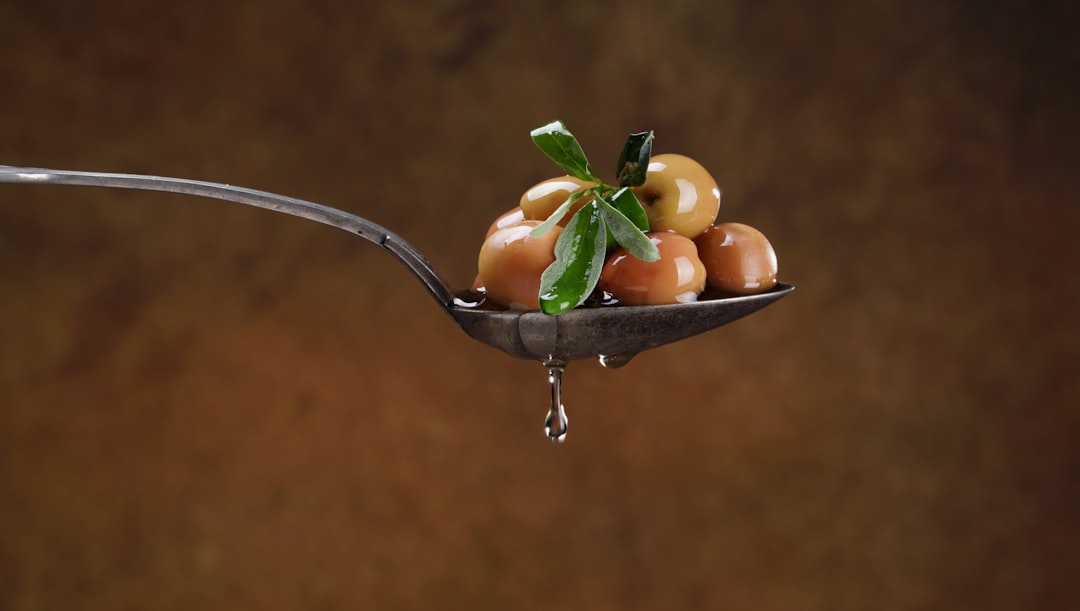
Olive oil is made from the fruit of the olive tree, which is native to the Mediterranean region. The process of making olive oil begins with the harvest of the olives, which are typically picked by hand or with mechanical shakers. Once the olives are harvested, they are washed to remove any dirt or debris and then crushed to form a paste.
The paste is then pressed to separate the oil from the solids. There are several methods of pressing, including traditional stone mills, modern centrifuges, and hydraulic presses. The type of press used can affect the quality and flavor of the oil.
After the oil is extracted, it is typically filtered to remove any remaining solids and then stored in a cool, dark place to prevent oxidation. The quality of the oil can also be affected by the storage conditions, so it's important to store olive oil properly to maintain its flavor and nutritional value.
### Types of Olive Oil
There are several different types of olive oil, each with its own unique flavor, aroma, and nutritional profile. Here are some of the most common types of olive oil:
Extra Virgin Olive Oil: This is the highest quality and most expensive type of olive oil. It is made from the first cold pressing of the olives and has a low acidity level (less than 0.8%). Extra virgin olive oil has a rich, fruity flavor and is often used in salad dressings, dips, and as a finishing oil for dishes.
Virgin Olive Oil: This type of olive oil is also made from the first cold pressing of the olives, but it has a slightly higher acidity level (between 0.8% and 2%). Virgin olive oil has a milder flavor than extra virgin olive oil and is often used in cooking and baking.
Refined Olive Oil: This type of olive oil is made from a blend of refined and virgin olive oils. It has a neutral flavor and a higher smoke point than extra virgin and virgin olive oils, making it suitable for high-heat cooking methods such as frying and sautéing.
Olive Pomace Oil: This type of olive oil is made from the leftover pulp and pits of the olives after the first pressing. It is typically refined and has a neutral flavor and a high smoke point. Olive pomace oil is often used in industrial applications and as a cooking oil in some countries.
### Choosing the Right Olive Oil for Cooking
When choosing an olive oil for cooking, it's important to consider the flavor, aroma, and smoke point of the oil. Here are some tips to help you choose the right olive oil for your cooking needs:
For Low-Heat Cooking: If you're cooking at a low temperature, such as for sautéing vegetables or making a sauce, extra virgin or virgin olive oil is a good choice. These oils have a rich, fruity flavor that can enhance the taste of your dishes.
For High-Heat Cooking: If you're cooking at a high temperature, such as for frying or roasting, refined olive oil or olive pomace oil is a better choice. These oils have a higher smoke point and are less likely to break down and produce harmful compounds when heated.
For Finishing Dishes: If you're looking to add a finishing touch to your dishes, such as drizzling oil over a salad or a cooked dish, extra virgin olive oil is the way to go. Its rich, fruity flavor can add a delicious and healthy boost to your meals.
### Recipes Using Olive Oil
Now that you know the different types of olive oil and how to choose the right one for your cooking needs, here are some delicious recipes that use olive oil:
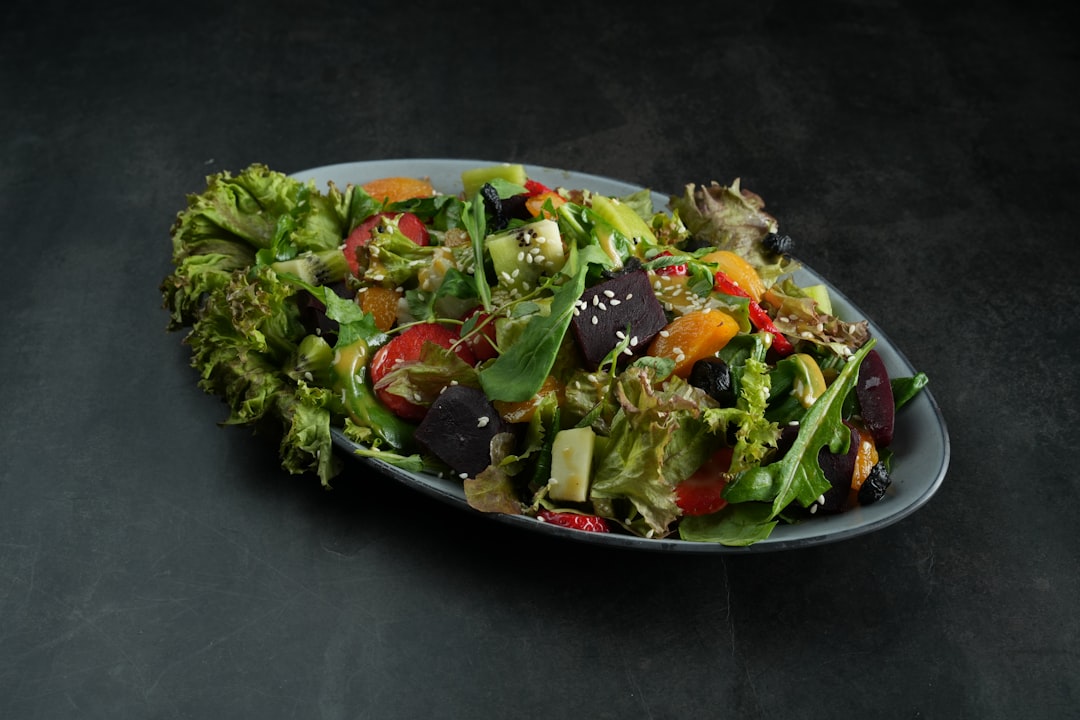
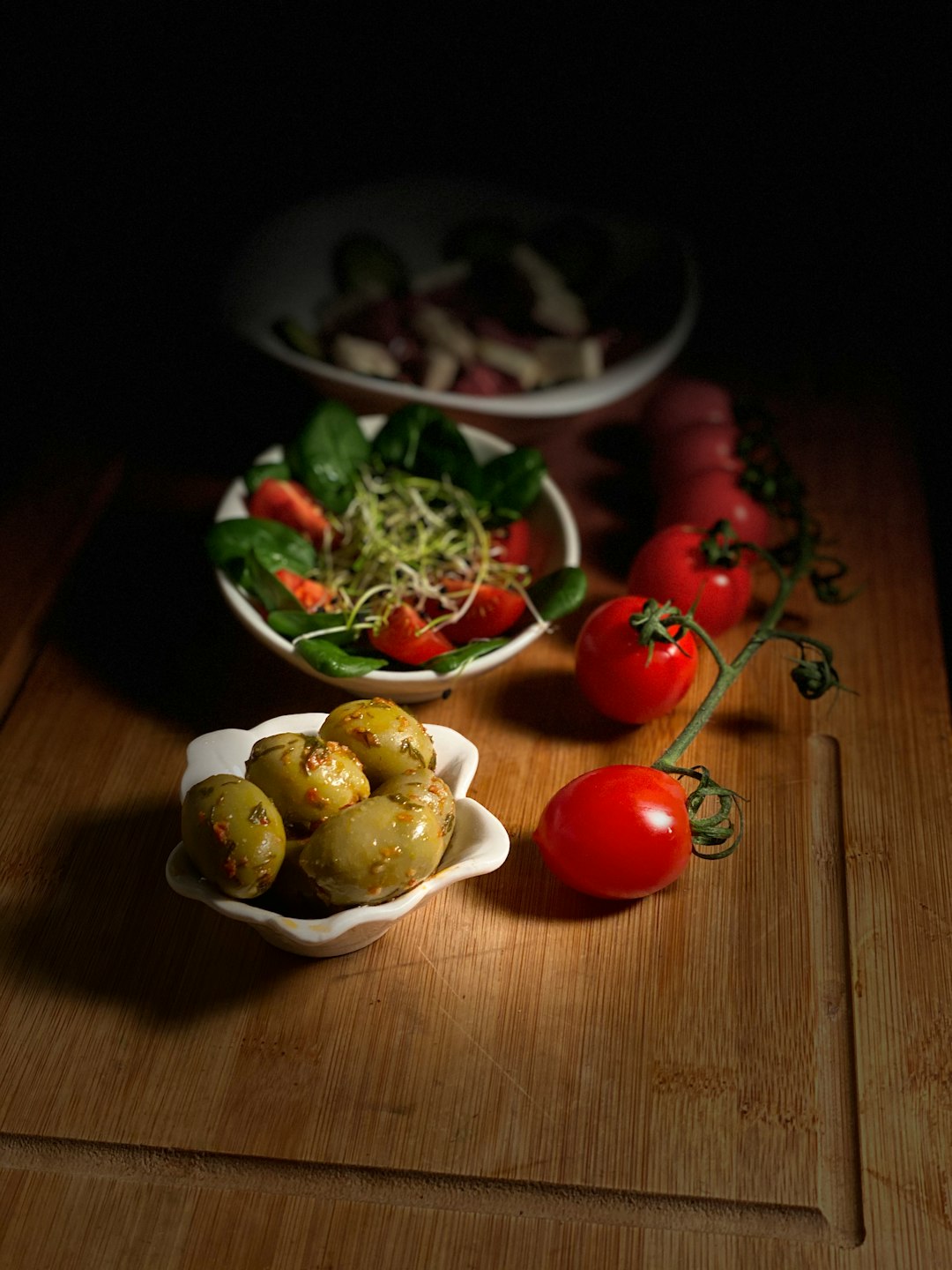
Mediterranean Salad: Combine mixed greens, cherry tomatoes, cucumbers, feta cheese, and olives in a large bowl. Drizzle with extra virgin olive oil and balsamic vinegar, and season with salt and pepper to taste.
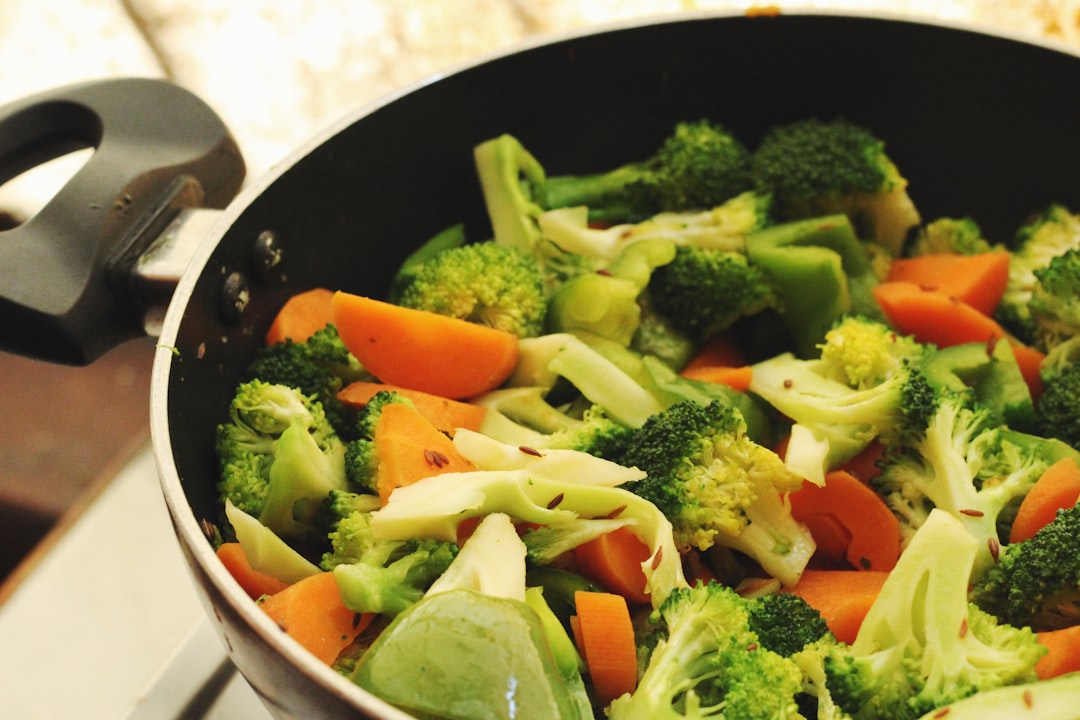
Roasted Vegetables: Preheat your oven to 400°F. Cut your favorite vegetables (such as carrots, broccoli, cauliflower, and bell peppers) into bite-sized pieces and place them in a baking dish. Drizzle with refined olive oil and season with salt, pepper, and your favorite herbs. Roast in the oven for 20-25 minutes, or until the vegetables are tender and golden brown.
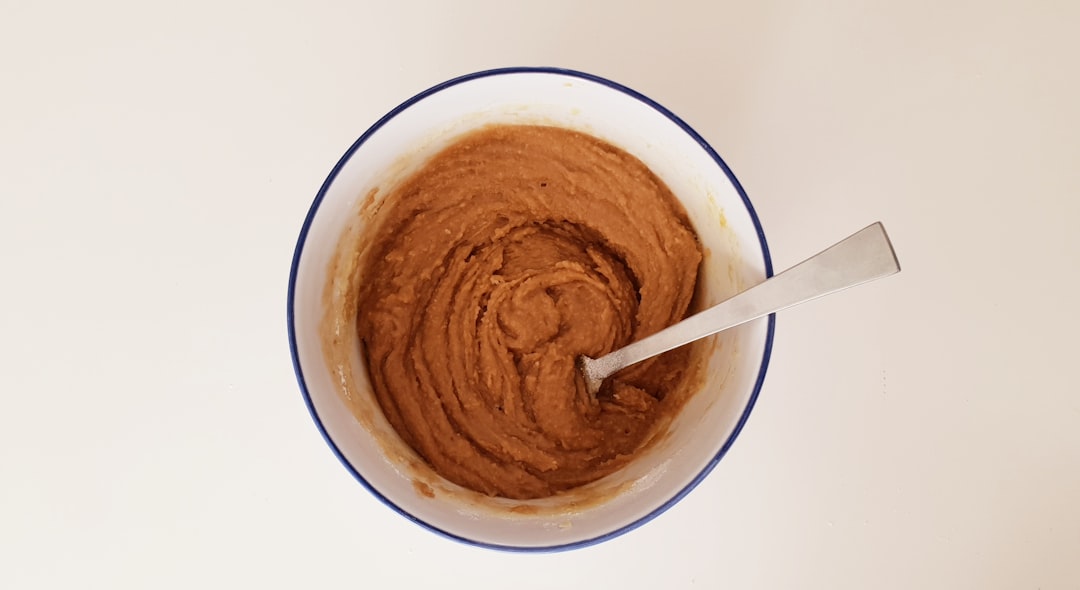
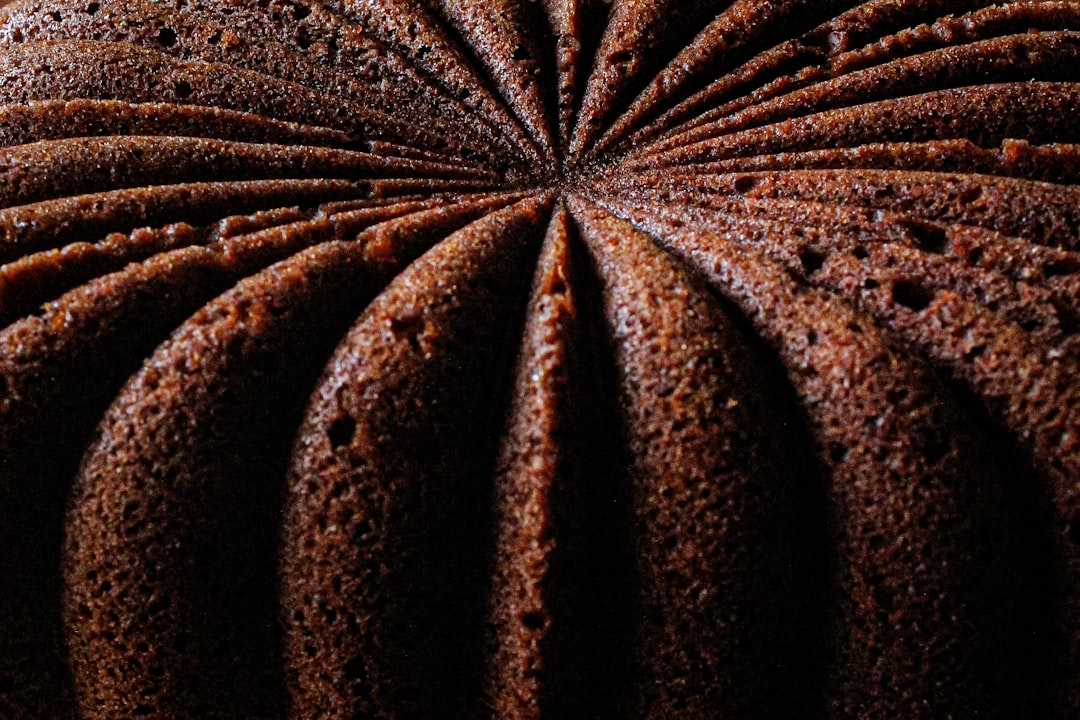
Olive Oil Cake: Preheat your oven to 350°F. In a large bowl, combine flour, sugar, baking powder, and salt. In a separate bowl, whisk together eggs, milk, and olive oil. Add the wet ingredients to the dry ingredients and stir until just combined. Pour the batter into a greased cake pan and bake in the oven for 30-35 minutes, or until a toothpick inserted into the center of the cake comes out clean.
### Conclusion
Olive oil is a versatile and healthy ingredient that can add flavor and nutrition to your cooking. By understanding the different types of olive oil, how they're made, and how to choose the right one for your cooking needs, you can elevate your cooking to new heights and enjoy the delicious taste of the Mediterranean. So, the next time you're in the kitchen, reach for a bottle of olive oil and start cooking!