In the world of baking, the choice of flour can significantly impact the outcome of your culinary creations. Among the various types of flour available, the decision between using unbleached and bleached flour often leaves bakers pondering. Let's delve into the details to understand the differences and how they affect your baking endeavors.
First, let's explore the nature of bleached flour. Bleached flour is treated with chemicals such as benzoyl peroxide or chlorine gas to speed up the aging process. This treatment gives the flour a whiter color and a finer texture. The bleaching process also affects the gluten in the flour. Gluten is a protein that forms when flour is mixed with water, and it gives baked goods their structure. In bleached flour, the gluten is slightly weakened, which can result in a more tender and delicate texture in baked items like cakes and pastries. For example, when making a light and fluffy sponge cake, bleached flour can contribute to a more even crumb and a lighter overall structure.
On the other hand, unbleached flour is left in its natural state without any chemical bleaching. It has a creamier color and a coarser texture compared to bleached flour. The gluten in unbleached flour is stronger, which makes it ideal for recipes that require more structure, such as bread and pizza dough. When you knead unbleached flour into dough for a loaf of bread, the strong gluten network traps carbon dioxide produced by the yeast, allowing the bread to rise properly and develop a chewy texture. The natural flavor of unbleached flour also tends to be more pronounced, which can enhance the taste of savory baked goods.
Another aspect to consider is the nutritional value. Unbleached flour generally retains more of its natural nutrients, such as vitamins and minerals, because it has not undergone the chemical processing of bleaching. However, the difference in nutritional content between bleached and unbleached flour is relatively small. Both types of flour are still good sources of carbohydrates and provide energy for the body.
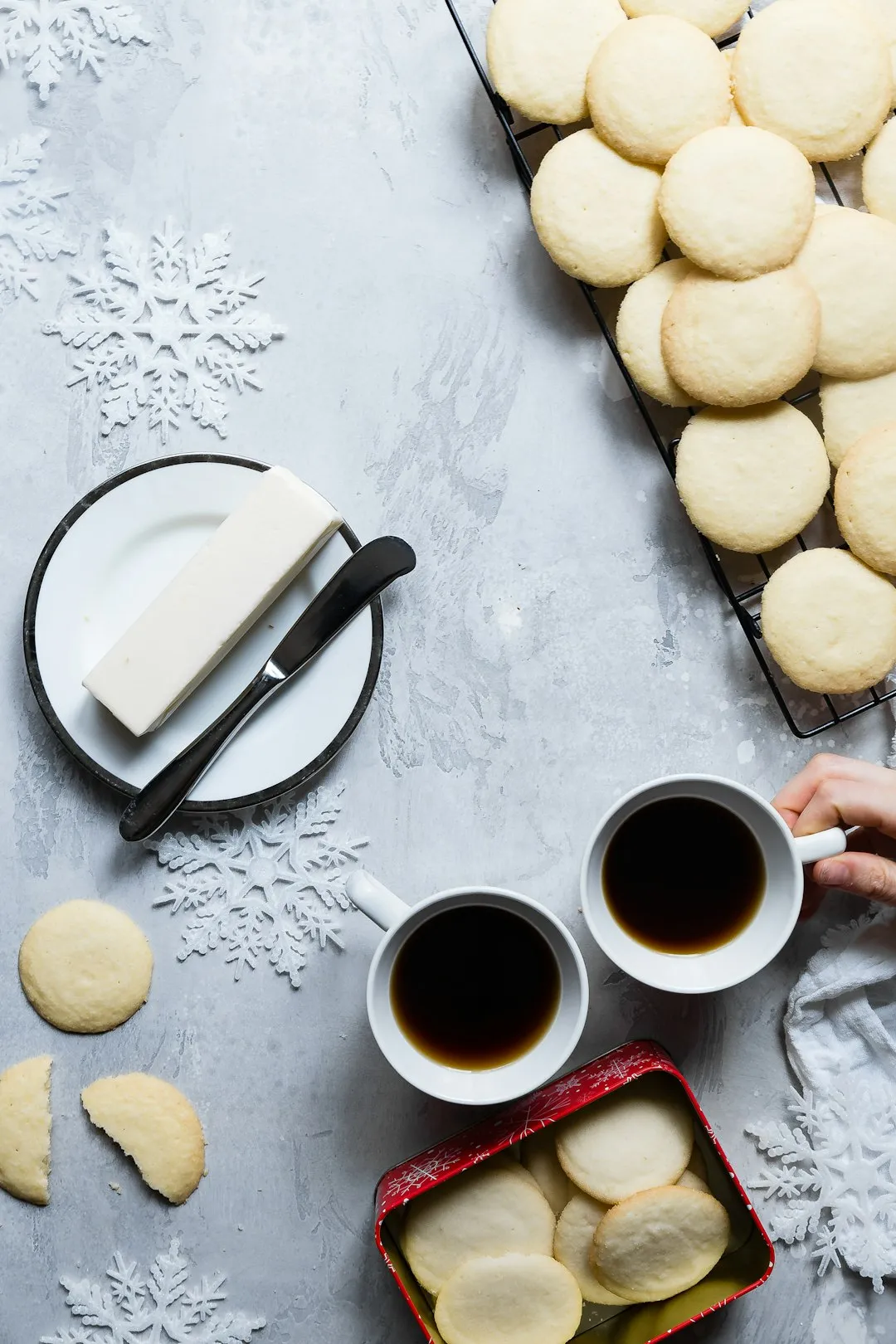
When it comes to choosing between the two for your recipes, it depends on the specific dish you are making. If you are aiming for a delicate and tender result, like a delicate shortbread cookie or a fluffy cupcake, bleached flour might be the better choice. Its finer texture and weakened gluten can help achieve the desired softness. For recipes that need a strong structure, such as a rustic sourdough bread or a thick-crust pizza, unbleached flour is the way to go. The strong gluten will hold the shape and give the baked good a satisfying chew.
It's also important to note that some bakers prefer the naturalness of unbleached flour, while others appreciate the consistent results that bleached flour can offer. In professional bakeries, the choice may depend on the brand's standards and the specific requirements of the products they make. For home bakers, it can be a matter of personal preference and experimentation.
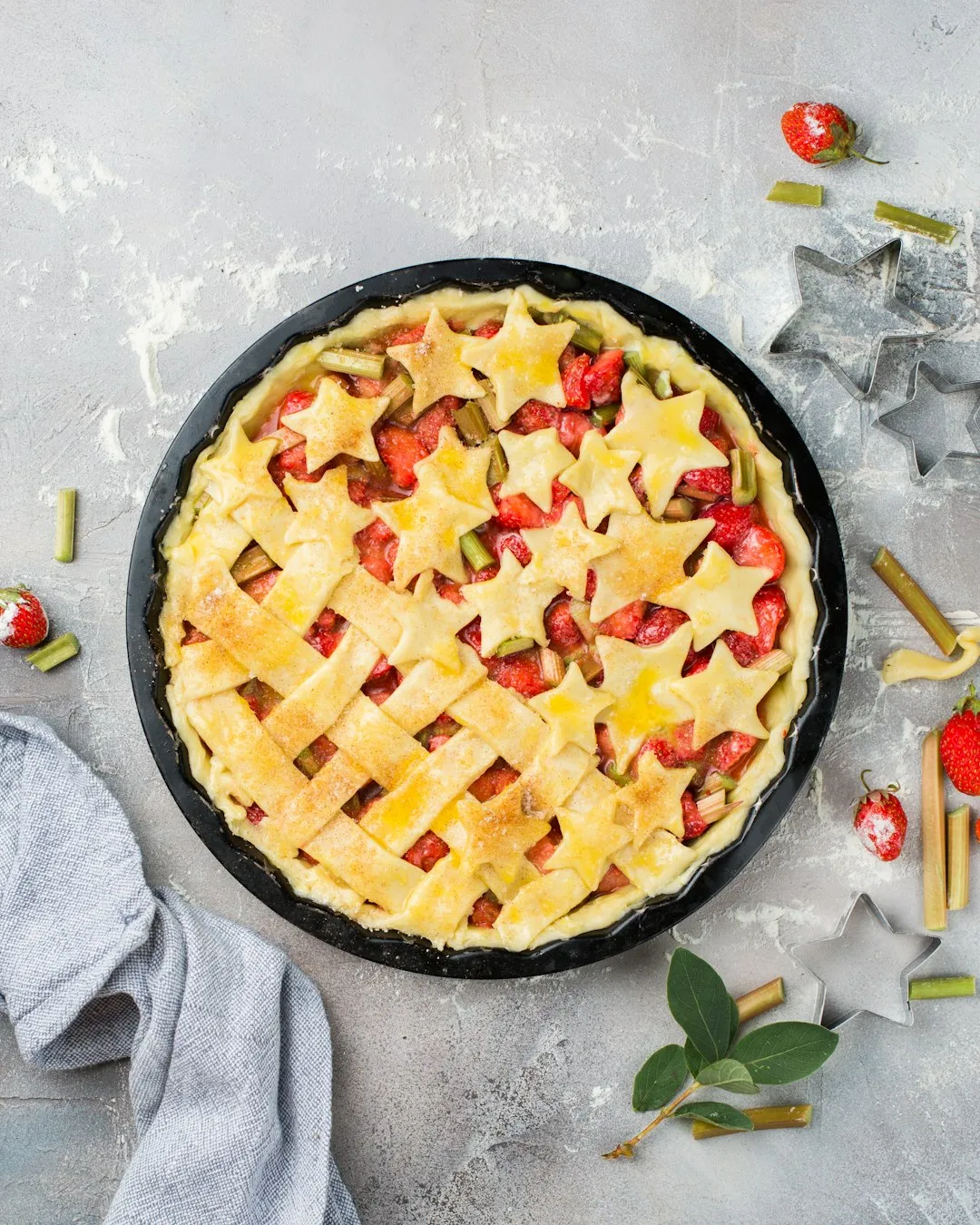
Let's take a closer look at some common baking recipes and how the choice of flour can make a difference. In a classic apple pie, the crust can be made with either type of flour. If you use bleached flour, the crust will be more tender and flaky, with a lighter color. On the other hand, unbleached flour will give the crust a more rustic appearance and a slightly chewier texture. The filling of the pie, however, will not be affected by the type of flour used in the crust.
For a batch of chocolate chip cookies, the choice of flour can also impact the final product. Bleached flour will result in a softer and more cake-like cookie, while unbleached flour will produce a cookie with a firmer texture and a slightly denser crumb. Some bakers like to experiment with a combination of the two flours to achieve a balance between tenderness and structure.
In conclusion, the decision between using unbleached and bleached flour in baking is not a simple one. It involves considering the texture, structure, flavor, and nutritional value of the final product. By understanding the differences between the two types of flour, you can make an informed choice and create delicious baked goods that meet your expectations. Whether you are a novice baker or an experienced pro, exploring the world of flour can add a new dimension to your culinary adventures.