Eggnog is a classic holiday beverage that has been enjoyed for centuries. It's a rich, creamy drink that combines the flavors of eggs, milk, cream, sugar, and spices. In this article, we'll explore everything you need to know about eggnog, including its history, ingredients, how to make it, and some delicious recipes.
History of Eggnog
The exact origins of eggnog are unclear, but it is believed to have originated in medieval Europe. The drink was originally made with ale, milk, and eggs, and was often served to the wealthy as a sign of hospitality. Over time, the recipe evolved to include brandy, rum, or whiskey, and it became a popular holiday drink in the United States.
During the colonial era, eggnog was a staple at holiday parties and gatherings. It was often served in large punch bowls, and guests would help themselves to a glass or two. The drink was also used as a way to celebrate special occasions, such as weddings and baptisms.
Ingredients in Eggnog
The basic ingredients in eggnog include eggs, milk, cream, sugar, and spices. Here's a breakdown of each ingredient:
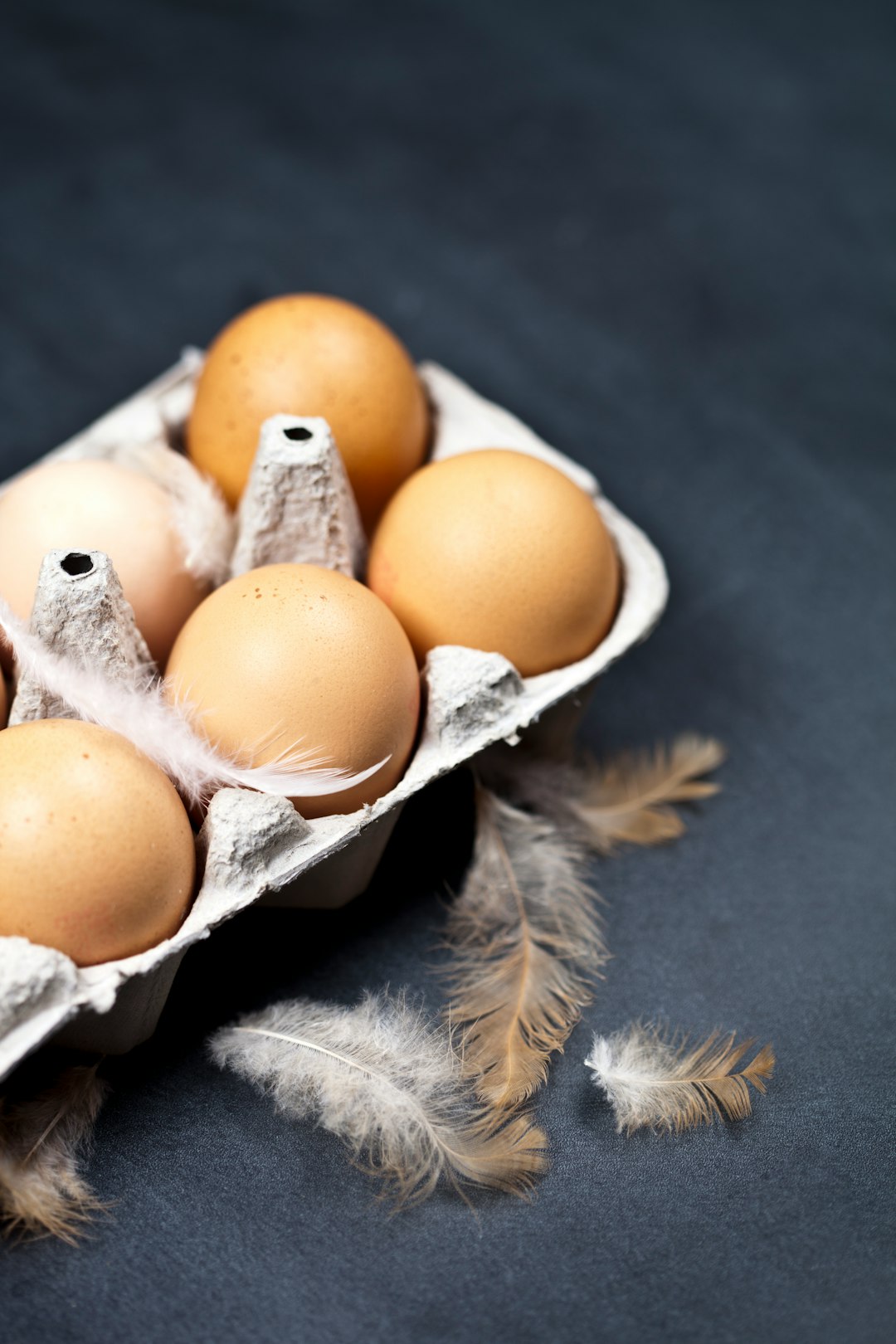
- Eggs: Eggs are the main ingredient in eggnog, and they provide the drink with its rich, creamy texture. You can use either whole eggs or just the yolks, depending on your preference.
- Milk and Cream: Milk and cream are used to thin out the egg mixture and give the drink its smooth consistency. You can use whole milk, skim milk, or a combination of both. Heavy cream can also be added for a richer, creamier texture.
- Sugar: Sugar is added to sweeten the eggnog and balance out the flavors of the other ingredients. You can use granulated sugar, brown sugar, or honey, depending on your preference.
- Spices: Spices are used to add flavor and aroma to the eggnog. Common spices include nutmeg, cinnamon, and cloves. You can also add vanilla extract or other flavorings for a more complex flavor.
How to Make Eggnog
Making eggnog is relatively easy, but it does require some time and patience. Here's a basic recipe for homemade eggnog:
- Separate the Eggs: Separate the eggs and place the yolks in a large bowl. Beat the yolks with a whisk until they are pale and fluffy.
- Add the Sugar: Gradually add the sugar to the egg yolks, whisking constantly until the sugar is dissolved. The mixture should be thick and creamy.
- Heat the Milk and Cream: In a medium saucepan, heat the milk and cream over medium heat until it is hot but not boiling. Stir occasionally to prevent the milk from scorching.
- Temper the Eggs: Slowly pour the hot milk and cream into the egg yolk mixture, whisking constantly. This will prevent the eggs from curdling.
- Cook the Eggnog: Pour the eggnog mixture back into the saucepan and cook over low heat, stirring constantly, until it thickens enough to coat the back of a spoon. Do not let the eggnog boil, as this will cause the eggs to curdle.
- Remove from Heat: Once the eggnog has thickened, remove it from the heat and let it cool slightly. Stir in the vanilla extract and spices.
- Chill the Eggnog: Pour the eggnog into a pitcher or container and refrigerate it for at least 2 hours or until it is completely chilled.
- Add Alcohol (Optional): If you want to add alcohol to your eggnog, you can do so before serving. Common alcohols used in eggnog include brandy, rum, or whiskey. Add about 1/4 cup of alcohol per cup of eggnog, or to taste.
- Top with Nutmeg: Before serving, sprinkle the eggnog with freshly grated nutmeg for a festive touch.
Recipes for Eggnog
There are many different recipes for eggnog, each with its own unique flavor and twist. Here are a few popular recipes to try:
Classic Eggnog
This is the traditional recipe for eggnog, made with eggs, milk, cream, sugar, and spices. It's a rich, creamy drink that is perfect for the holidays.
Spiced Eggnog
This recipe adds extra spices to the classic eggnog, including cinnamon, cloves, and allspice. It's a warm, comforting drink that is perfect for cold winter nights.
Chocolate Eggnog
This recipe adds chocolate to the classic eggnog, making it a decadent and delicious treat. You can use either cocoa powder or melted chocolate, depending on your preference.
Non-Alcoholic Eggnog
If you don't want to add alcohol to your eggnog, you can still enjoy a delicious and creamy drink. This recipe uses vanilla extract and nutmeg to add flavor and aroma to the eggnog.
Conclusion
Eggnog is a classic holiday beverage that is loved by many. Whether you're making it at home or buying it at the store, there are many different ways to enjoy this delicious drink. By following the tips and recipes in this article, you can make your own homemade eggnog that is sure to impress your friends and family. So, this holiday season, raise a glass of eggnog and toast to the joy and cheer of the season!